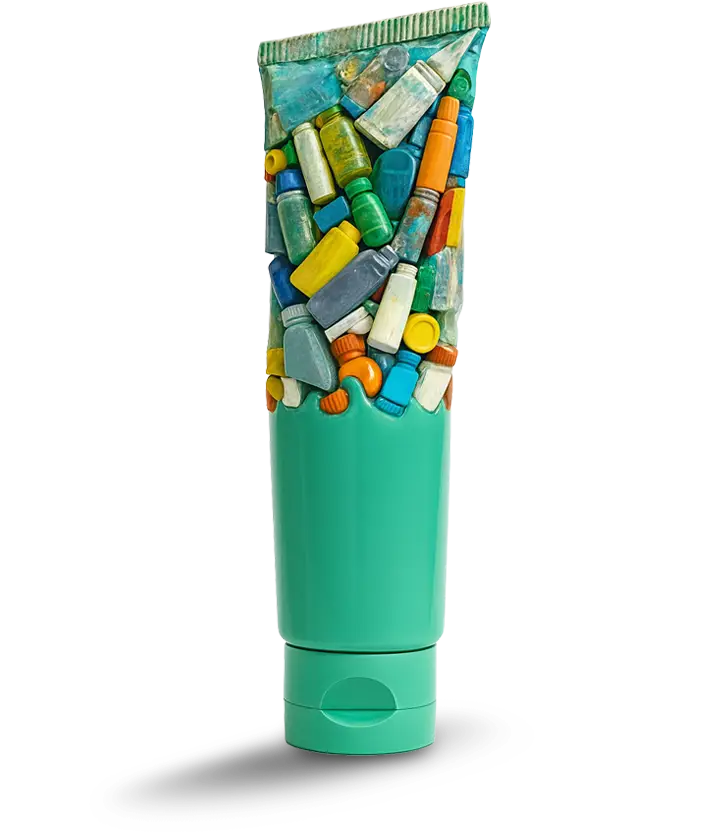
The first EU regulations on Packaging and Packaging Waste were published at the end of 1994, more than thirty years ago. Since then, the directive has been updated several times, but the most significant progress has taken place over the past five years, leading to the development of the new PPWR (Packaging and Packaging Waste Regulation).
Today, packaging design must take into account a broad range of sustainability factors:
Reduction of raw materials
Design for recyclability, ensuring packaging supports an efficient recycling process
Use of PCR (post-consumer recycled) materials
Reduction of CO₂ footprint
Consideration of bio-based materials, with awareness of their pros and cons
All these aspects must be balanced to ensure that the packaging remains effective, safe, and protective throughout its life cycle, while still meeting consumer expectations and brand requirements.
In the journey toward a more sustainable future, several key players share responsibility and have their input:
EU Regulators
Manufacturers, including packaging producers and recycling companies
Knowledge developers: laboratories, consultants, and advisors
Brands and Retailers, including private labels Contract manufacturers and fillers
The challenge of identifying and choosing the “right” path toward sustainability is both complex and ongoing.
At Packright, we have been following these developments for more than 22 years, leading presentations and discussions with brands, retailers, and contract manufacturers. We welcome our customers and partners to benefit from our experience and insight as we navigate the future of sustainable packaging together.